Rapid Test Supports Actionable Water Quality Decisions
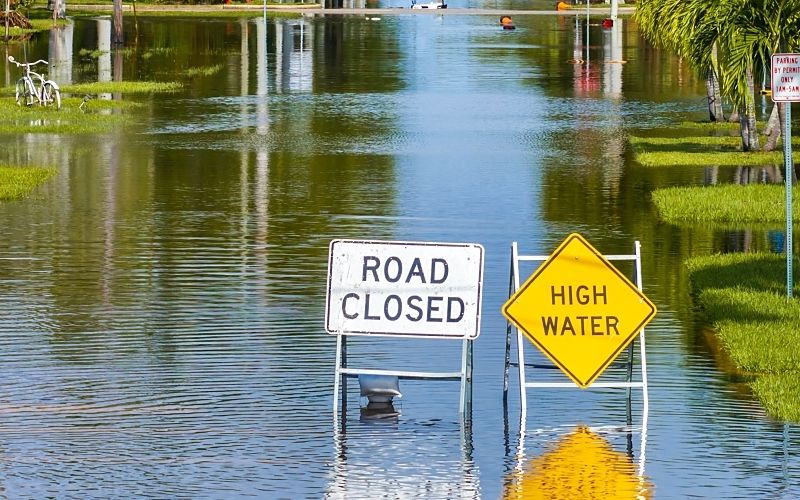
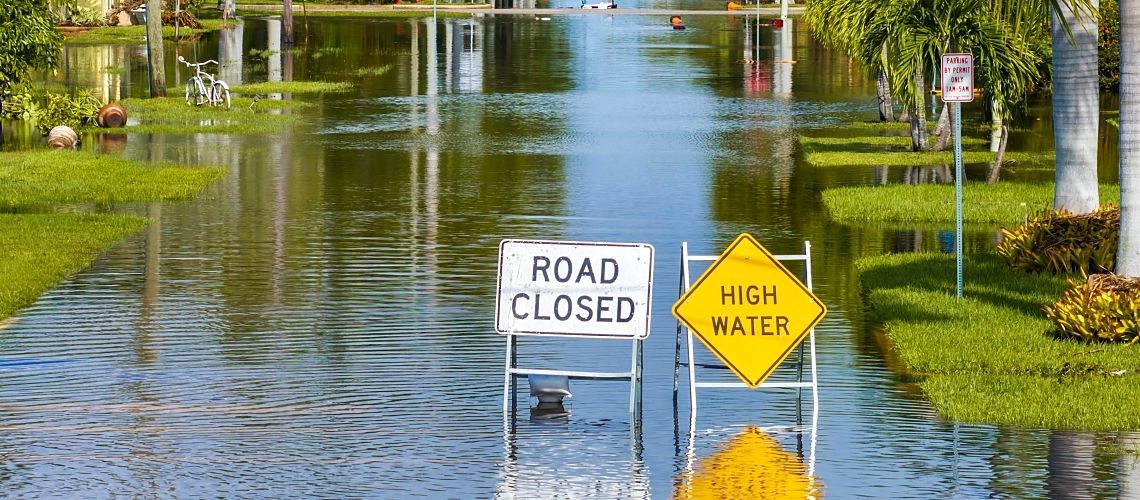
When a water main breaks, a flood surges through a town, or a hot weekend lures crowds to the beach, a prompt water quality assessment is essential. But public health decisions on water quality can't wait days for lab results. Traditional methods that measure colony-forming units often require 48 hours or longer before producing confirmed results. That delay can put people at risk—or force utilities to issue precautionary advisories that disrupt lives and operations.
A fast, reliable alternative is a rapid test using defined substrate technology (DST). By enabling labs to detect and confirm target microbes in a single step, rapid tests using DST help utilities and public health officials transition from sampling to action in under 24 hours—half the time of traditional methods.
Let's examine the critical need for rapid tests, highlighting the advantages of DST, testing processes, and typical applications. We'll also discuss how combining velocity and reliability builds trust with the public.
Advantages of Rapid Testing
When utilities or health departments suspect contamination, public advisories are a crucial tool for safeguarding the public. For example, health departments issue boil-water advisories when conditions pose a risk to water quality, such as after a natural disaster, a water main break, or a treatment failure. These advisories are public health measures that protect the general public from drinking unsafe water.
The Centers for Disease Control and Prevention (CDC) notes that regulatory authorities should lift advisories only when the water is confirmed safe to drink. That has traditionally depended on culture-based microbial results that take several days to conduct. The rapid test transforms the testing process, providing decision-makers with actionable data more quickly and efficiently. Rapid testing offers several other advantages, including:
- Faster turnaround: Confirmed results in 18–24 hours instead of several days. This allows officials to issue or lift advisories in time to make a difference.
- Increased public protection: Timely results beget timely communication. Rapid results help reduce the risk of exposure to unsafe water and also prevent unnecessary disruption when water is actually safe.
- Boosted operational efficiency: Water main breaks, storm recovery, or treatment interruptions often idle in systems until clearance is received, which can take several days. Faster confirmation reduces downtime, lowers costs, and expedites the restoration of public services.
- Improved ease of use: DST and fully automated tests require little hands-on time and no additional confirmations, reducing staff workload. This also frees limited lab resources during emergencies or peak monitoring periods.
- Enhanced regulatory confidence: The Environmental Protection Agency (EPA) approves many DST-based methods and fully automated methods for compliance testing, and the International Organization for Standardization (ISO) publishes them as ISO standards. Results are defensible in both audits and public communications, reassuring regulators and the broader community alike.
Defined Substrate Technology, Explained
Rapid testing with DST technology uses chromogenic and fluorogenic substrates—compounds that react with specific microbial enzymes to produce color or fluorescence. The presence of a target organism becomes evident to the naked eye or under UV light, providing a rapid answer. DST methods detect a range of critical microbes, including total coliforms and E. coli, Enterococcus species, and Pseudomonas aeruginosa.
Peer-reviewed studies have validated DST as reliable and adequate for water quality monitoring. For example, researchers writing in the Journal of Water & Health concluded that defined substrate–based methods provide accurate and defensible results suitable for regulatory and public health decision-making.
Automated Microbiology Testing
Another solution for rapid results is a portable, fully automated water microbiology test system that uses methods approved by the Environmental Protection Agency for drinking water samples. For example, the IDEXX Tecta lab-in-a-box provides accurate positive results for E. coli, total coliforms, fecal coliforms, and Enterococcus species. Depending on volume needs, Tecta is available with 4 or 16 incubation chambers and easy-to-use cartridges that require no sample preparation. The machine's email reporting capabilities ensure you receive positive results within hours.
IDEXX Tecta occupies the same space as a printer, making it usable anywhere—including outside your lab. That makes it an excellent choice for testing in remote areas or when a disaster prevents access to your lab. If testing uncovers a disease-causing pathogen, regulators can take action much more quickly.
Rapid Test Applications
Rapid methods have become invaluable in situations where timing is critical, including assessing water quality after storms and wildfires, during live events, and for recreational use.
- Emergency, post-storm assessments: After floods or hurricanes, utilities must quickly determine whether drinking water systems have been compromised. DST-based rapid tests typically deliver results within a day.
- Recreational water quality monitoring: Health departments typically monitor beaches on a set schedule, especially during the summer season. With rapid Enterococcus tests, for example, health departments can provide usable information to swimmers soon after samples are collected, ensuring advisories reflect actual conditions rather than outdated data from tests that take days to conduct.
- Post-wildfire safety checks: Wildfires can damage infrastructure, increase sediment, and create new pathways for contamination from pathogens and toxic chemicals. Rapid testing helps utilities confirm water safety as communities return home and utilities restore systems.
- Event-based sampling: Large gatherings, including music festivals and community fairs, create temporary surges in drinking water demand. With rapid results, organizers and utilities can ensure safe water for attendees in near real time.
Building Test Confidence and Resilience
As climate change intensifies storms, floods, and wildfires, communities demand more transparency from utilities. In these emergencies, rapid methods have become essential. Rather than being a specialized tool, they are increasingly part of everyday monitoring and emergency preparedness.
Utilities that incorporate rapid testing into their standard operating procedures can respond proactively to extreme events, maintain public confidence through timely, science-based communication, and support resilience by aligning with regulatory best practices. Trust in utilities increases when communities see that their water providers are acting quickly, using modern tools, and prioritizing safety.
The Key to Fast, Reliable Results
Speed and reliability are no longer competing goals in water testing. The days of waiting for culture plates to confirm results are giving way to a faster, dependable option that protects public health while keeping operations moving. Rapid microbiological tests that use DST or fully automated systems help utilities provide reliable and accurate information that safeguards everyone's health.